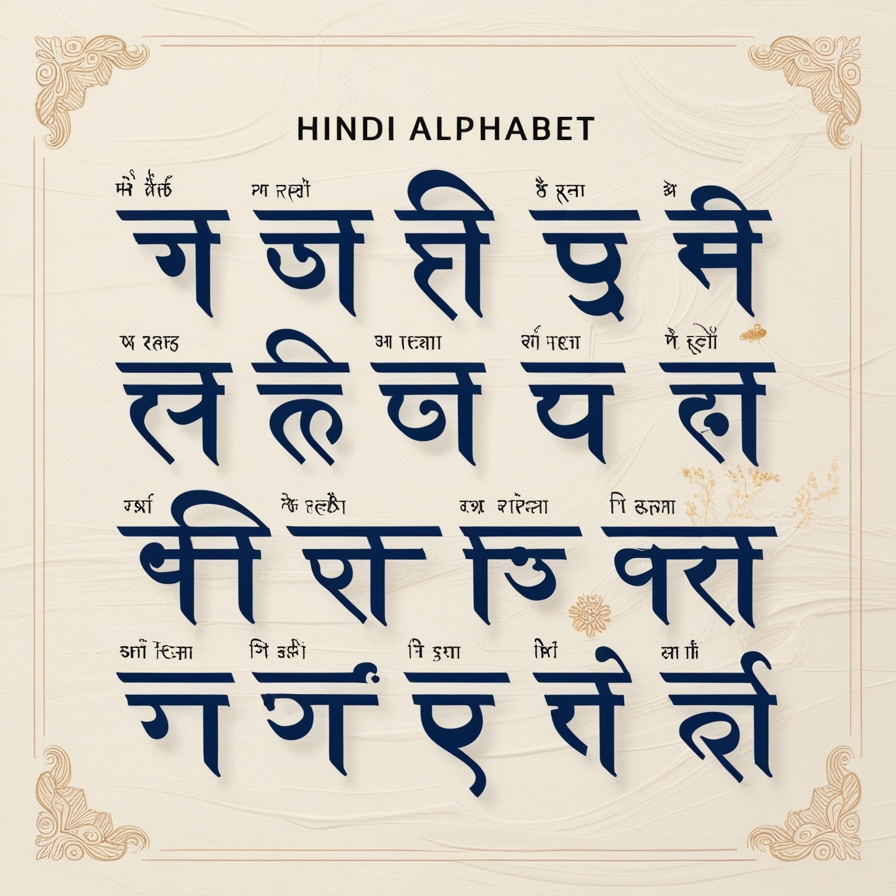
The Hindi alphabet uses the Devanagari script, one of the oldest writing systems in the world. It is not only used for Hindi but also for other Indian languages like Sanskrit and Marathi. In this guide, we will explore the letters of the Hindi alphabet, their pronunciation, and examples to help you become familiar with this script.
The Hindi alphabet consists of 13 vowels and 33 consonants. Additionally, there are compound characters formed by combining vowels and consonants. Devanagari is written from left to right, and unlike the Latin alphabet, each letter has a distinct pronunciation.
Vowels (स्वर – Swar)
Hindi has 13 vowel sounds, which are essential in shaping the pronunciation of words. The vowels can be written independently or combined with consonants. Here’s a list of the vowels:
Vowel
Devanagari Script
Transliteration
Pronunciation Example
अ
अ
a
apple
आ
आ
ā
father
इ
इ
i
sit
ई
ई
ī
macheese
उ
उ
u
put
ऊ
ऊ
ū
tool
ए
ए
e
wet
ऐ
ऐ
ai
sigh
ओ
ओ
o
go
औ
औ
au
how
ऋ
ऋ
ṛi
riddle
ऌ
ऌ
l̥
lri (similar to ‘l’ + ‘ri’ sound, rare in modern Hindi)
ॡ
ॡ
l̥̄
Extended version of ‘ऌ’ sound, used rarely.
Consonants (व्यंजन – Vyanjan)
There are 33 consonants in the Hindi alphabet, categorized based on how they are pronounced. Some of the key categories include gutturals, palatals, cerebrals, dentals, and labials.
Here’s a detailed list of the Hindi consonants (व्यंजन – Vyanjan) along with their Devanagari script, transliteration, and pronunciation examples:
Gutturals (कण्ठ्य)
Consonant
Devanagari Script
Transliteration
Pronunciation Example
क
क
k
kite
ख
ख
kh
khan
ग
ग
g
go
घ
घ
gh
ghost
ङ
ङ
ṅ
sing (nasal sound)
Palatals (तालव्य)
Consonant
Devanagari Script
Transliteration
Pronunciation Example
च
च
c
chat
छ
छ
chh
chhat
ज
ज
j
jam
झ
झ
jh
jha
ञ
ञ
ñ
canyon (nasal sound)
Cerebrals (Retroflex – मूर्धन्य)
Consonant
Devanagari Script
Transliteration
Pronunciation Example
ट
ट
ṭ
toy (hard ‘t’ sound)
ठ
ठ
ṭh
thunder (aspirated)
ड
ड
ḍ
doll
ढ
ढ
ḍh
dhole
ण
ण
ṇ
ban (nasal sound)
Dentals (दन्त्य)
Consonant
Devanagari Script
Transliteration
Pronunciation Example
त
त
t
tap (soft ‘t’)
थ
थ
th
thin
द
द
d
deep
ध
ध
dh
dharma
न
न
n
nice
Labials (ओष्ठ्य)
Consonant
Devanagari Script
Transliteration
Pronunciation Example
प
प
p
pet
फ
फ
ph
phone
ब
ब
b
bat
भ
भ
bh
bhajan
म
म
m
moon
Semi-vowels (अंतःस्थ)
Consonant
Devanagari Script
Transliteration
Pronunciation Example
य
य
y
yoga
र
र
r
rat
ल
ल
l
love
व
व
v/w
vase / wet
Sibilants (श्वस व्यंजन)
Consonant
Devanagari Script
Transliteration
Pronunciation Example
श
श
ś
shine
ष
ष
ṣ
retroflex show
स
स
s
sun
Aspirate (ह्यस्व)
Consonant
Devanagari Script
Transliteration
Pronunciation Example
ह
ह
h
hot
How to Pronounce the Hindi Alphabet
One of the most important things to know about Devanagari is that it is a phonetic script, meaning that letters are pronounced exactly as they are written. Once you learn the sounds, you’ll be able to read words as they are spelled.
Learning Tips for the Hindi Alphabet
Start with vowels and simple words – Practice reading and writing vowels to understand their individual sounds.
Learn through repetition – Write each letter repeatedly to familiarize yourself with the shapes.
Use transliteration sparingly – While transliterations can be helpful, it’s important to get comfortable with reading the Devanagari script directly.
Conclusion
Mastering the Hindi alphabet is the first step to becoming fluent in the language. With practice and patience, you’ll soon be able to read and write Hindi with ease. Stay tuned for more lessons on how to form words, sentences, and improve your conversational skills in Hindi.
हिंदी वर्णमाला सीखने के बाद अगला कदम है गिनती सीखना — देखें 1 to 10 in Hindi।